SBA Loans for Franchises
Franchise businesses often require significant upfront investment for franchise fees, build-outs, equipment, and working capital. SBA loans are commonly used by franchise operators because they can provide structured financing that supports both new locations and multi-unit expansion.
Why Franchise Businesses Use SBA Financing
Franchise ownership offers entrepreneurs the opportunity to operate within an established brand and proven business model. However, opening or acquiring a franchise location often involves multiple capital requirements including franchise fees, construction costs, equipment purchases, and operating reserves.
SBA loans are frequently used because they can provide financing that aligns with the scale and structure of franchise investments.
Common uses include:
- Franchise acquisition financing
- Initial franchise fees
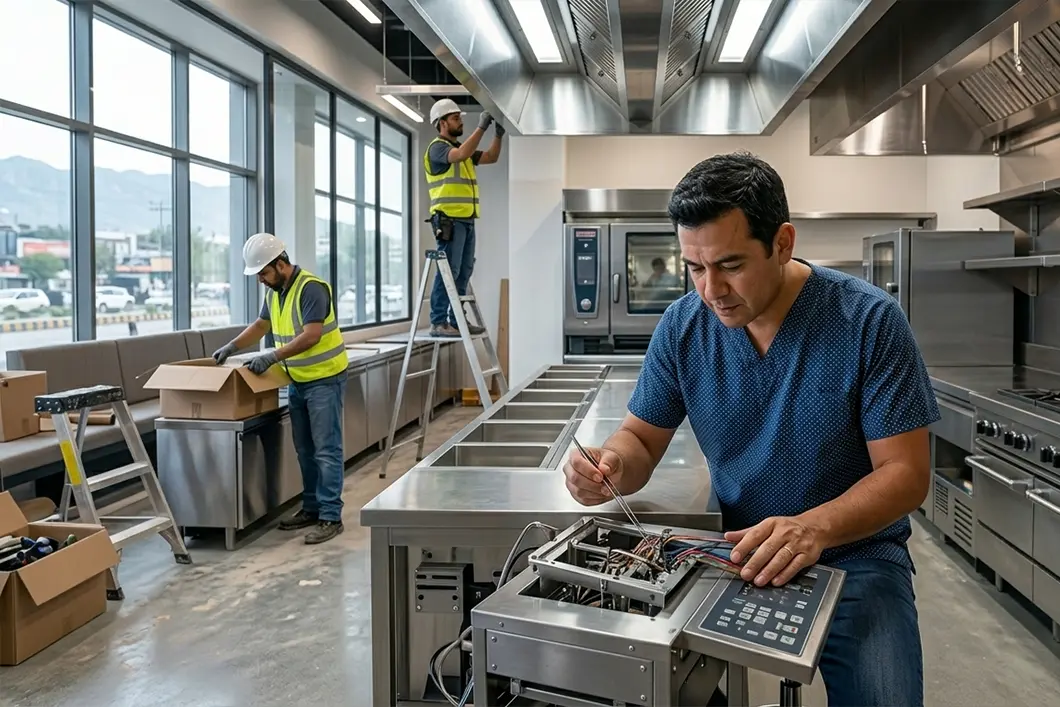
- Leasehold improvements and build-outs
- Equipment and furniture purchases
- Working capital for opening operations
- Multi-unit franchise expansion
- Franchise resale purchases
Opening a New Franchise Location
Startup and Launch Costs:Opening a new franchise location typically involves several layers of investment. Beyond the franchise fee itself, operators may need to cover construction costs, kitchen or retail equipment, technology systems, and early operating expenses.
Structured Financing for the Launch:SBA loans can help finance these startup costs while spreading repayment over a longer period, allowing the business to stabilize and grow during its early stages.
Franchise Acquisition Financing
Some entrepreneurs enter franchising by purchasing an existing location rather than starting a new one. Buying an established franchise can provide an operating team, existing customers, and historical financial performance.
SBA loans may help finance:
- Existing franchise resales
- Ownership transitions
- Partner buyouts within franchise locations
- Acquisition of profitable multi-unit operations
Leasehold Improvements and Build-Outs
Many franchise concepts require specific store layouts, branding elements, equipment installations, and customer service areas. Preparing a location often involves extensive build-out work.
Typical build-out costs may include:
- Interior construction and layout changes
- Kitchen or production equipment installation
- Customer seating areas and service counters
- Technology and point-of-sale systems
- Furniture, fixtures, and branded interior design
Multi-Unit Franchise Expansion
Experienced franchise operators often expand beyond their first location. Multi-unit operators may open additional locations in nearby markets or acquire existing franchise units.
SBA financing may help support:
- Second or third franchise locations
- Regional expansion
- Multi-unit franchise ownership groups
- Acquisition of additional franchise territories
Working Capital for Franchise Operations
During the early months after opening, franchise businesses may require additional working capital while customer demand builds and operations stabilize.
Working capital can help support:
- Payroll and staffing
- Inventory and supply purchases
- Marketing and promotional campaigns
- Operational reserves
- Seasonal revenue fluctuations
What Lenders Typically Review
SBA lenders evaluating franchise loan requests often review both the borrower and the franchise system itself.
- Borrower credit profile and liquidity
- Franchise system track record
- Management experience
- Projected revenue and cash flow
- Location and market demand
- Strength of the franchise brand
- Equity injection and financial commitment
Who This Page is For
This page is designed for entrepreneurs and franchise operators exploring financing for new locations or expansion.
- First-time franchise owners
- Existing franchise operators expanding locations
- Entrepreneurs acquiring a franchise resale
- Multi-unit franchise operators
- Investors transitioning into active franchise ownership
Why SBA Loans Can Fit Franchise Growth
Franchise businesses often require structured financing that matches the scale of the investment and the timeline of business growth. SBA loans can provide a financing structure that supports these investments while maintaining a manageable repayment framework.
For many franchise operators, that balance between growth capital and long-term stability is a key factor when evaluating financing options.
Final Thoughts
SBA loans are widely used by franchise operators to finance acquisitions, launch new locations, purchase equipment, and support expansion. With the right structure, they can help franchise entrepreneurs invest in proven business models while building sustainable long-term operations.


